Latest Trends

Best Practices for Pet Grooming

Discover key insights to help your pet live a longer healthier life.
Veterinary Care Webflow Template – Hulio Care – Designed by Azwedo.com and Wedoflow.com

Professional Pet Grooming: Technical Standards for Long-Term Health

Grooming is more than a superficial aesthetic; it is a clinical necessity for preventative pet healthcare. High-quality grooming acts as a primary defense against skin pathology, joint misalignment, and systemic infections. By mastering these professional standards, you ensure your pet’s physical comfort and biological resilience.

1. Coat-Specific Engineering

Not all fur is created equal. Applying the wrong technique can permanently damage a pet’s natural insulation and skin barrier.

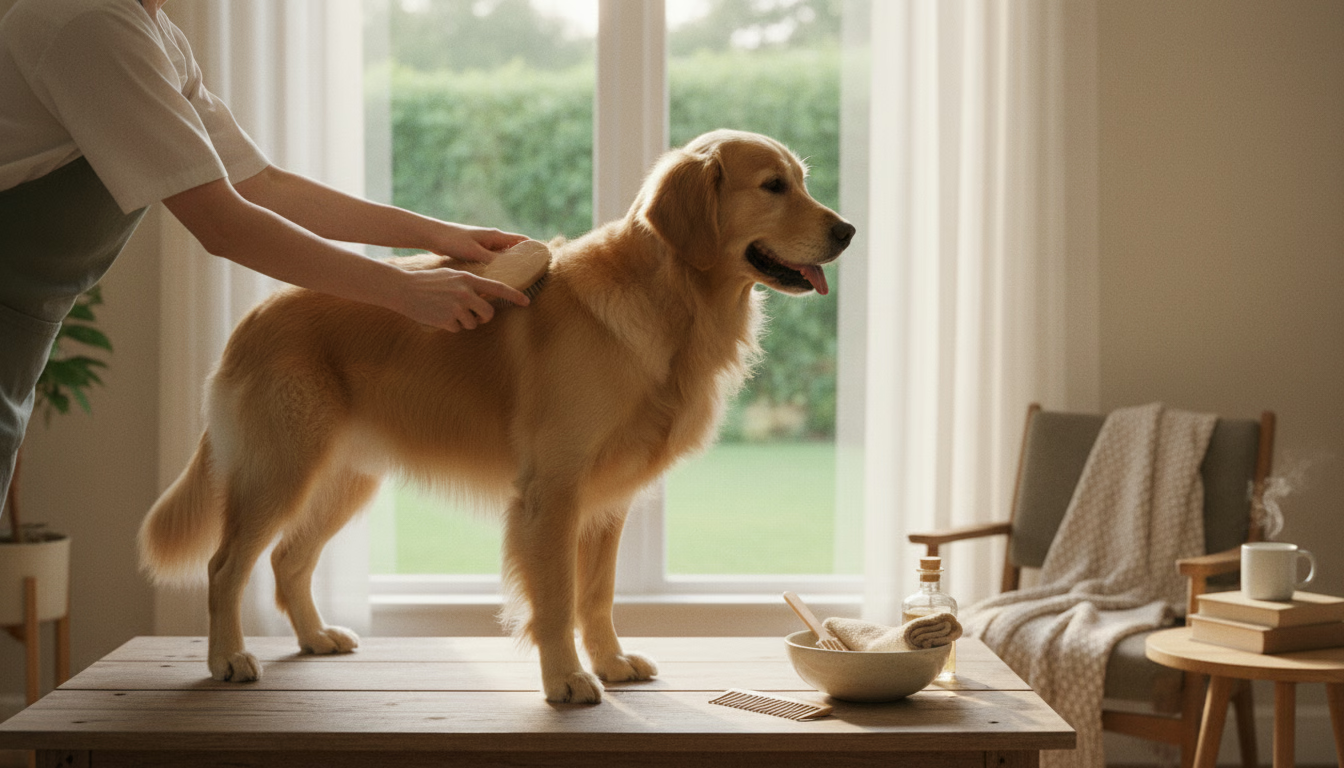
  • Double-Coated Breeds: Use undercoat rakes to remove dead follicles. Never shave a double coat, as it destroys the pet's ability to thermoregulate, leading to heatstroke or "clipper alopecia."
  • Hair-Growth Breeds (Poodles/Doodles): These require "line brushing" daily. If mats form close to the skin, they restrict blood flow and create painful bruising.
  • Smooth Coats: Use rubber curry brushes to stimulate natural sebum (oils), which maintains the skin's acidic mantle and repels allergens.

2. The Science of the Bath: pH and Temperature

A pet’s skin is significantly more sensitive than human skin. Using incorrect products or temperatures can lead to chronic dermatitis.

  • The pH Factor: Human skin sits at roughly 5.5, while pets range from 6.2 to 7.5. Using human shampoo strips the lipid barrier, leaving the skin vulnerable to yeast and bacterial overgrowth.
  • Thermal Control: Always use lukewarm water. High temperatures cause vasodilation and skin irritation, while cold water can lead to shivering and stress-induced cortisol spikes.

3. Structural Maintenance: Nails and Ears

Ignoring these two areas leads to long-term skeletal and internal issues.

  • Orthopedic Alignment: If a pet’s nails click on the floor, they are too long. This forces the paw to tilt, shifting the weight onto the leg bones and causing premature arthritis and joint degradation.
  • Oticle Hygiene: Floppy ears trap moisture. Use a specialized drying agent to clean the outer canal, but never use Q-tips internally, as this can rupture the tympanic membrane.

"A grooming session is the best time for a 'Body Scan.' While the coat is wet, you can easily identify new lumps, skin tags, or parasitic activity that would otherwise remain hidden."

4. Dental and Systemic Health

Periodontal disease is the most common clinical condition in adult pets. Bacteria from the mouth can enter the bloodstream, causing micro-abscesses in the heart, liver, and kidneys. Brushing at least three times a week with enzymatic toothpaste is the gold standard for extending a pet's lifespan.

Summary Checklist:

  1. Brush: Daily for long hair; weekly for short hair.
  2. Trim: Every 3–4 weeks to protect joint health.
  3. Inspect: Check 'hot zones' (armpits/ears) for redness or parasites.
Enhance Your Pet's Health and Longevity

Early detection is crucial for your pet’s 
health and wellness journey.
Veterinary Care Webflow Template – Hulio Care – Designed by Azwedo.com and Wedoflow.comVeterinary Care Webflow Template – Hulio Care – Designed by Azwedo.com and Wedoflow.com