Latest Trends

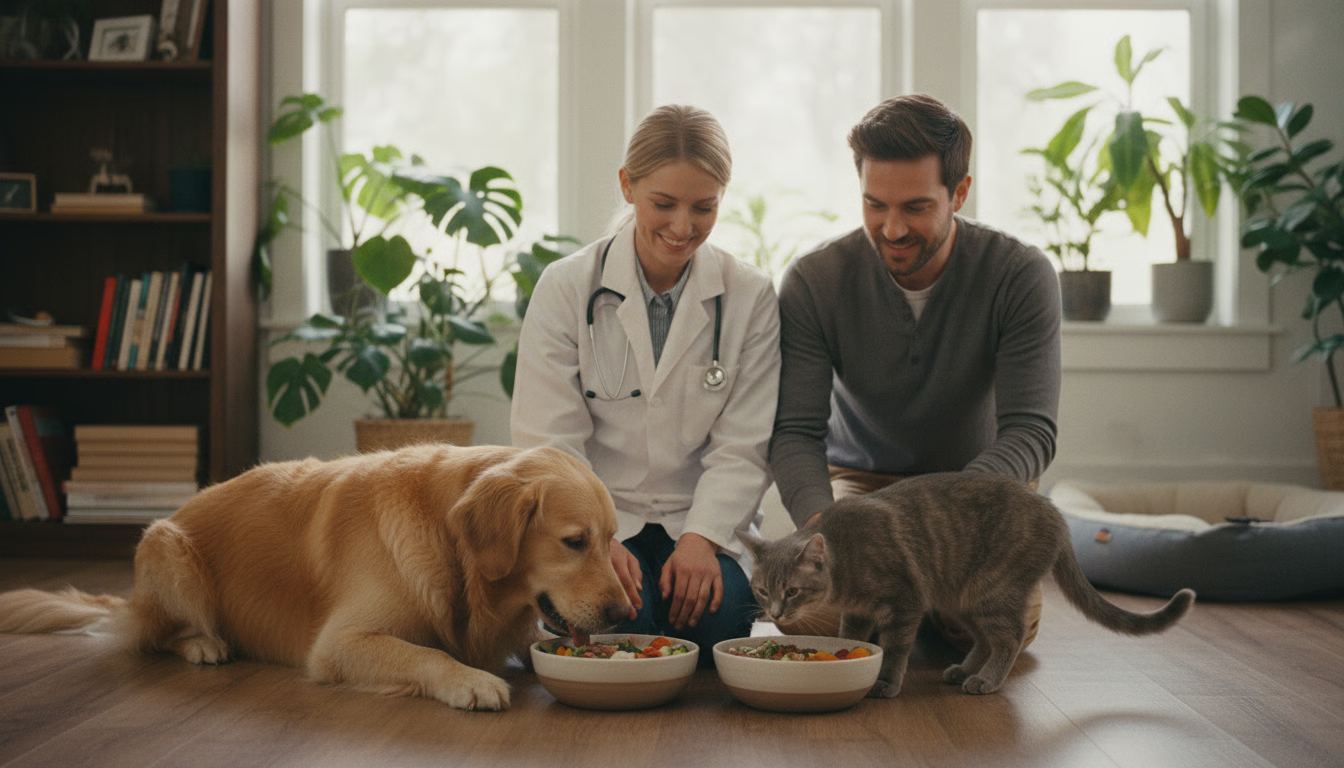
The Importance of Balanced Diets

Understand why a balanced diet is crucial.

Veterinary Care Webflow Template – Hulio Care – Designed by Azwedo.com and Wedoflow.com

The Importance of Balanced Diets: Nutritional Foundations for Longevity

Nutrition is the primary biological driver for a pet’s health. A balanced diet is not merely about satiety; it is a complex chemical delivery system that fuels cellular repair, immune response, and cognitive function. Without precise nutrient ratios, a pet’s internal systems begin to degrade, leading to chronic inflammation and metabolic failure.

1. Macronutrient Precision

Every species has a specific evolutionary requirement for protein, fats, and carbohydrates. Understanding these "building blocks" is essential for systemic health.

  • Bioavailable Proteins: Proteins provide the amino acids necessary for muscle maintenance and tissue repair. Look for whole animal sources (e.g., "Deboned Turkey") which have higher bioavailability than "meat meals."
  • Essential Fatty Acids: Omega-3 and Omega-6 fatty acids are critical for maintaining the lipid barrier of the skin and supporting brain development. A deficiency often manifests as a brittle coat or chronic itchiness.
  • Functional Carbohydrates: While controversial, complex carbohydrates like sweet potatoes or brown rice provide the glucose needed for sustained energy without causing the insulin spikes associated with "filler" grains like corn.

2. Micronutrients and Enzyme Support

Vitamins and minerals act as the "engine oil" for a pet’s metabolic processes. Even a slight imbalance can lead to severe clinical conditions.

  • Calcium-to-Phosphorus Ratio: This must be strictly balanced (typically 1.2:1). An imbalance can lead to skeletal deformities in growing puppies or kidney stones in adult cats.
  • Antioxidants: Ingredients like blueberries or spinach provide polyphenols that fight oxidative stress, a primary cause of cellular aging and cancer.
  • Probiotics and Fiber: A healthy gut microbiome is responsible for 70% of the immune system. Soluble fiber ensures regular motility and nutrient absorption.

3. The Dangers of "Human Grade" Scraps

The most common nutritional errors occur when owners supplement diets with human food.

  • Caloric Density: A single ounce of cheddar cheese for a 20lb dog is the caloric equivalent of three hamburgers for a human. This leads to rapid-onset obesity, the leading cause of shortened lifespans.
  • Toxicity Risks: Many common human ingredients—such as onions, garlic, xylitol, and grapes—are chemically toxic to pets, causing everything from hemolytic anemia to acute renal failure.

4. Hydration: The Silent Nutrient

Water is the most critical nutrient for cellular transport and temperature regulation.

  • Renal Support: Chronic dehydration is a leading cause of kidney disease, especially in cats who have a low natural thirst drive.
  • Metabolic Cooling: Pets rely on water for evaporative cooling through panting. Without adequate hydration, the blood thickens, straining the heart and increasing the risk of heatstroke.

Technical Insight: > "Complete and Balanced" is a legal standard. Ensure your pet's food meets AAFCO (Association of American Feed Control Officials) guidelines for their specific life stage. Feeding a "Puppy" diet to an "Adult" dog can lead to unnecessary weight gain and joint stress due to excessive caloric density.

Enhance Your Pet's Health and Longevity

Early detection is crucial for your pet’s 
health and wellness journey.

Veterinary Care Webflow Template – Hulio Care – Designed by Azwedo.com and Wedoflow.comVeterinary Care Webflow Template – Hulio Care – Designed by Azwedo.com and Wedoflow.com