Latest Trends

Why Regular Vet Visits Count

Learn the significance of regular veterinary check-ups.

Veterinary Care Webflow Template – Hulio Care – Designed by Azwedo.com and Wedoflow.com

Why Regular Vet Visits Count: The Science of Preventative Care

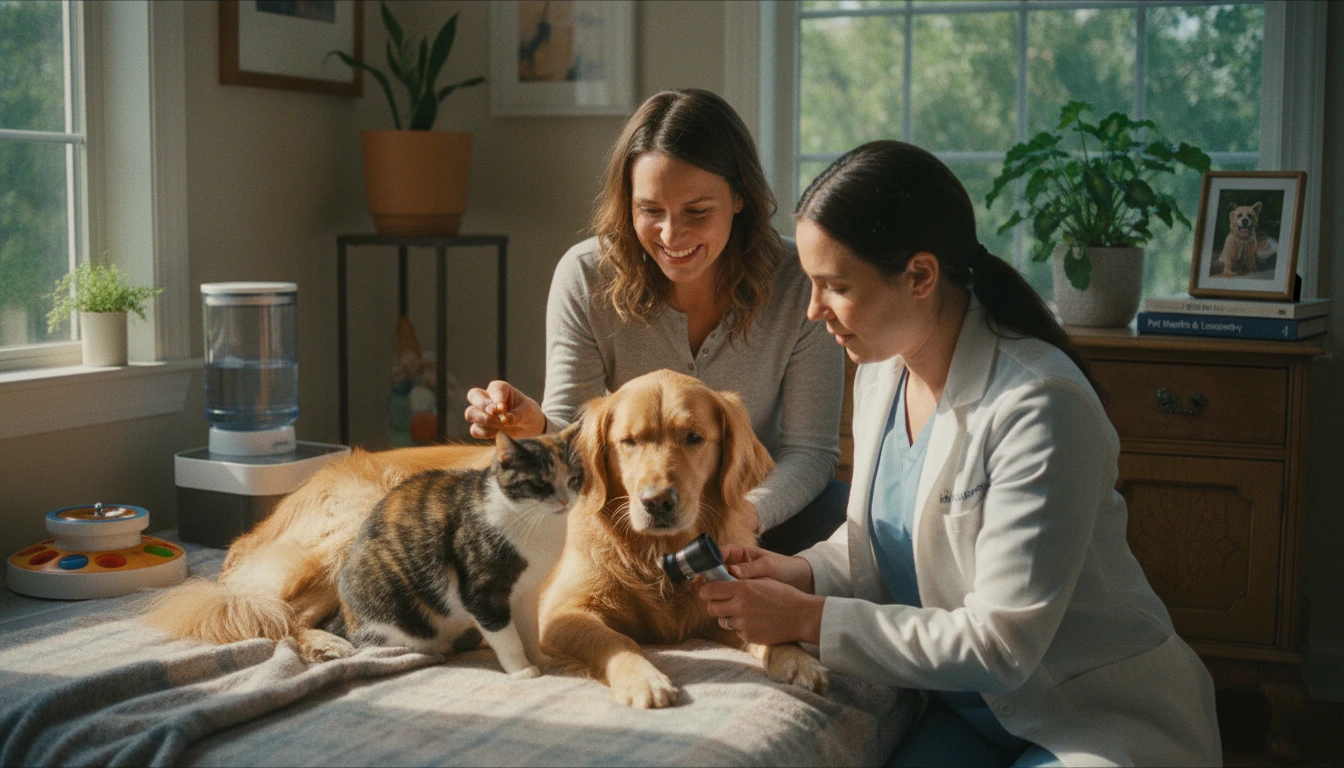
Pet ownership is a long-term commitment to biological management. Because animals possess a natural instinct to mask pain and discomfort—a survival mechanism inherited from their wild ancestors—outward symptoms often only appear once a condition has reached a critical stage. Regular veterinary consultations are the only reliable method for early detection and systemic health maintenance.

1. The "Biological Multiplier" Effect

The most common misconception is that an annual visit is sufficient. However, feline and canine physiology ages significantly faster than human biology.

  • The Aging Ratio: One calendar year for a human is roughly equivalent to five to seven years for a pet.
  • The Risk: Skipping a single yearly exam is the medical equivalent of a human avoiding a doctor for nearly a decade.
  • The Solution: Bi-annual wellness checks allow veterinarians to catch subtle shifts in weight, heart rate, and joint mobility before they become chronic disabilities.

2. Diagnostic Benchmarking and Baseline Data

A physical exam is only the surface of a vet visit. The true value lies in establishing "Baseline Data" through professional diagnostics.

  • Hematology (Blood Work): Regular blood panels track organ function. Small elevations in kidney or liver enzymes can indicate early-stage disease that is 100% manageable if caught early, but fatal if ignored.
  • Urinalysis: This is a non-invasive window into metabolic health, helping to detect diabetes or urinary crystals before they cause a painful blockage.
  • Parasitic Screening: Even indoor pets are at risk for heartworm, hookworm, and Giardia. Regular screenings prevent zoonotic diseases—infections that can spread from your pet to your family.

3. Periodontal and Systemic Links

Oral health is the most overlooked aspect of veterinary care, yet it is a primary driver of longevity.

  • The Heart-Mouth Connection: Chronic gum inflammation (gingivitis) allows bacteria to enter the bloodstream. These bacteria can colonize heart valves and lead to endocarditis or chronic kidney failure.
  • Professional Cleaning: Scaling and polishing under veterinary supervision removes subgingival plaque that home brushing simply cannot reach.

4. Behavioral and Nutritional Audits

A vet visit is also a consultation on the "software" of your pet—their behavior and fuel.

  • Nutritional Precision: As pets age, their caloric and enzymatic needs shift. A vet can prescribe specific diets to manage inflammation, cognitive decline, or weight issues.
  • Mental Wellness: Sudden changes in behavior (aggression, hiding, or lethargy) are often medical symptoms rather than personality shifts. A vet can differentiate between a "naughty" pet and one suffering from neurological discomfort or chronic pain.

The Cost-Benefit Analysis:Investing in preventative diagnostics typically costs 10x less than emergency interventions for advanced-stage diseases. Proactive care isn't just about health; it’s about ensuring the maximum number of high-quality years together.

Enhance Your Pet's Health and Longevity

Early detection is crucial for your pet’s 
health and wellness journey.

Veterinary Care Webflow Template – Hulio Care – Designed by Azwedo.com and Wedoflow.comVeterinary Care Webflow Template – Hulio Care – Designed by Azwedo.com and Wedoflow.com